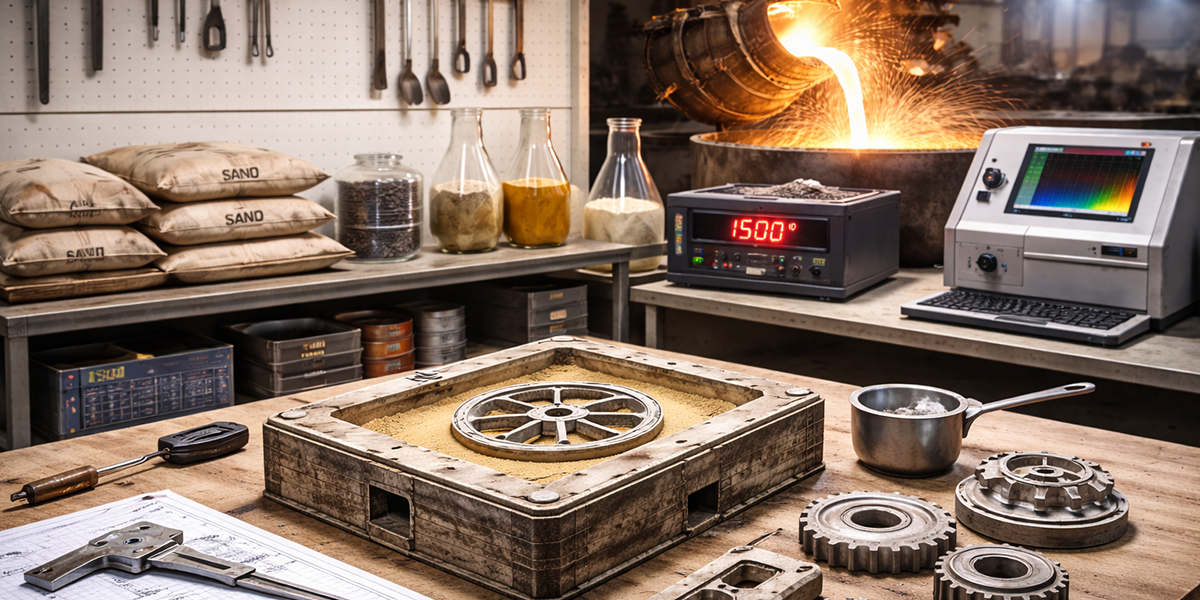
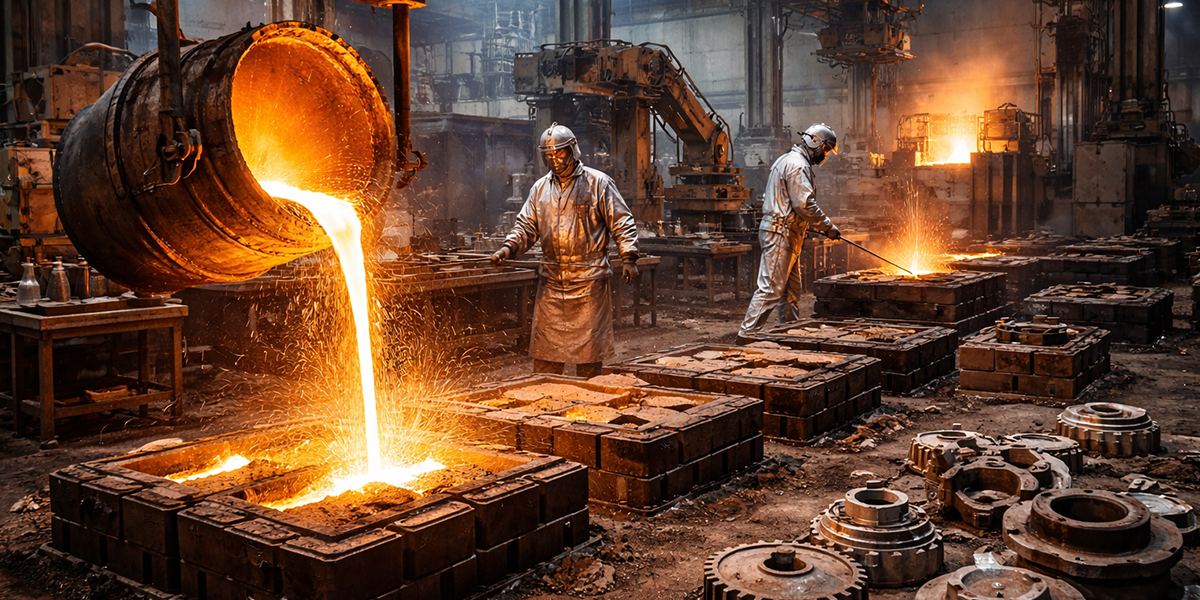
Casting is one of the fundamental manufacturing methods in which molten metal is poured into a mold to obtain the desired shape. As one of the oldest and most widely used production techniques in the industry, casting has evolved significantly with advancing technology, becoming much more precise and efficient today. Especially due to the advantages it offers in producing parts with complex geometries, it has become an indispensable method in many industries.
The casting process begins with the melting of raw materials. When the metal reaches a certain temperature, it becomes liquid and is poured into pre-prepared molds. After the cooling and solidification process, the part is removed from the mold and finished with the necessary surface treatments. The type of mold used, material selection, and production techniques directly affect the quality of the final product.
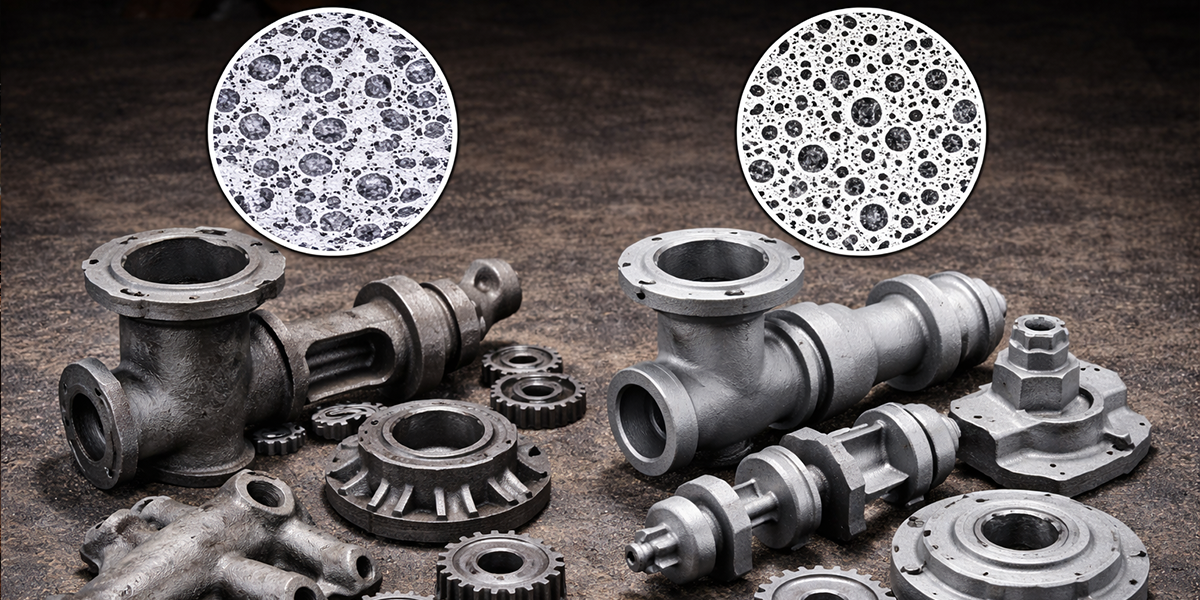
Casting is widely used across various industries, from automotive and energy to agricultural machinery and heavy industry. Engine components, machine bodies, connection parts, and many other products are manufactured using casting methods. This clearly demonstrates the importance of casting in industrial production.
Today, quality standards in casting production are of great importance. Durability, surface quality, and dimensional accuracy are among the key factors that determine the success of the production process. For this reason, modern casting facilities utilize advanced quality control systems and testing methods.
In addition, casting methods continue to evolve with technological advancements. Techniques such as resin molding, precision casting, and automation-supported production enable higher efficiency and improved quality. These developments indicate that the casting industry will continue to maintain its importance in the future.